
Heating replacement
Replacing a furnace with a heat pump? What belongs in the quote
Compare what’s included for cold-weather operation, electrical work and the parts of your existing system you plan to keep.
Article link
Key takeaways
- Ask how the proposed system will heat your home on the coldest days and when backup heat will run.
- Get separate prices for any electrical, ductwork or other work outside the base bid.
- Compare the full bid, startup checks and payment dates before deciding how much to borrow.
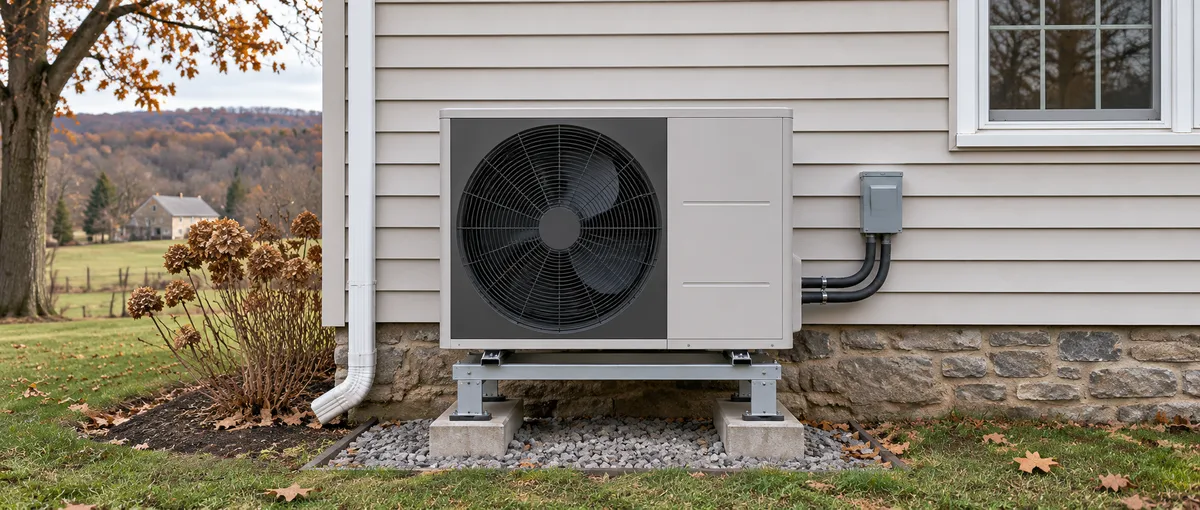
Compare cold-weather performance and backup heat
Tell the contractor which rooms are difficult to heat, whether you plan to keep your current furnace as backup and whether you want the same equipment to serve as your air conditioner. Two quotes may use similar equipment but assume different things about the rooms served or how the house will be heated on the coldest days.
Ask the installer what outdoor temperature they used for sizing and how much heat the proposed equipment delivers in those conditions. If the installer includes backup heat, find out what will supply it and when it will run. Write those assumptions down so you can compare two bids for the same level of service.
If one bid includes a heat pump and electric backup, while another includes a heat pump paired with a gas furnace, ask each installer to explain when backup runs and how the controls switch modes. Find out whether both bids include the complete backup system and necessary wiring. Ask how the installer will show you that both modes work before the job is complete.
Add up the work each quote excludes
Ask which parts of your existing ductwork, electrical system and controls can stay. Get separate prices for any required electrical upgrade or ductwork changes. Ask how the installer will verify airflow and test the complete system at the end of the job.
Suppose one example bid is $11,200 and another is $12,000. If the first leaves out electrical work that adds $1,100, its estimated total becomes $12,300. Even after the comparison, the two jobs may differ in ductwork, controls or warranty. Ask the contractor to identify any quote item that is an allowance and explain what could change its final price.
Compare bids that include the same work. Check equipment, labor, permits, removal and startup. Ask when the deposit and final payment are due. If you’re using a loan, compare when funds will be available with when the installer needs to be paid.
An estimate can also list work as owner-provided. That might mean you need to hire an electrician separately or clear a space for the outdoor unit before the crew arrives. Ask who is responsible for each item and when it needs to happen. If you are getting a separate quote for that work, add it to the installed cost and keep its due date in the same budget.
Ask how the installer will verify performance
Ask what the installer will measure after startup and what they will show you about the controls, filter and backup settings. If a room is still uncomfortable, find out how follow-up service will be handled. Keep the model numbers, commissioning notes if provided and a copy of the warranty with the original quote.
Match the bid to your funding timeline
Put the equipment deposit, completion payment and any separate electrician bill on one timeline. If an incentive is mentioned, verify approval and payment timing before building it into the budget. Once the full scope is priced, compare the cash you need on each date with loan proceeds and funding timing. Bring the remaining differences back to the contractors before making a decision.