
Heating replacement
Repair or replace your furnace? What to ask before you decide
Use the technician’s diagnosis, recent repair history and a written replacement quote to decide how much you actually need to budget.
Article link
Key takeaways
- Ask for a written diagnosis. An isolated fault on an otherwise reliable furnace may favor a repair.
- Repeated breakdowns or several documented issues make it worth comparing a full replacement quote.
- Compare what you would pay now, when heat can be restored and the total cost if you borrow.
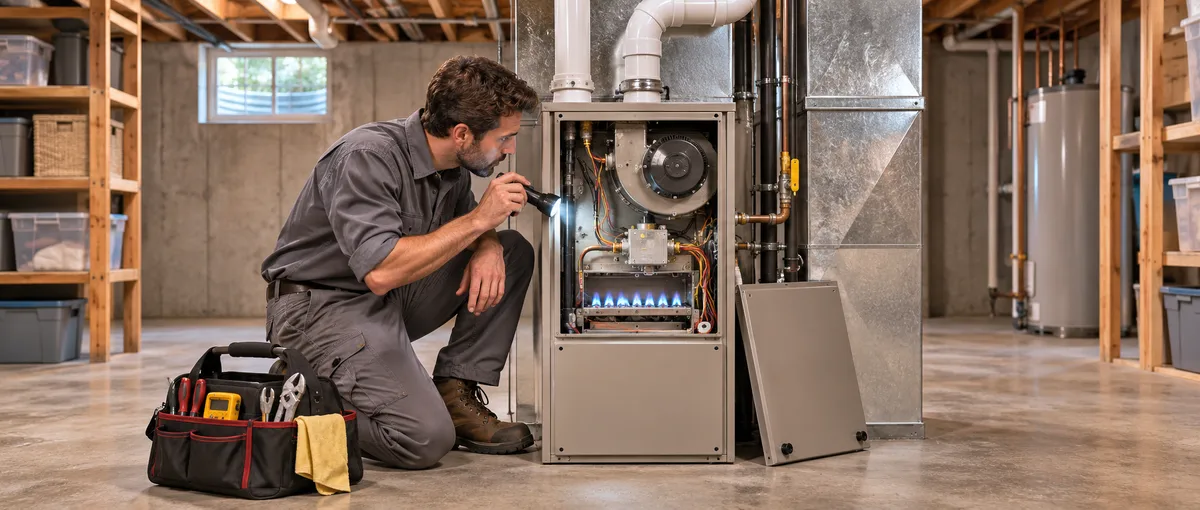
Get a written diagnosis
When your heat goes out, there are two separate decisions to make. First, ask the technician what must happen for the home to have reliable heat again. Then decide whether to pay for the immediate work or plan for replacement. If the technician says the equipment is unsafe to run, follow their guidance and ask about safe temporary options while you decide.
Ask the technician for a written diagnosis, the price of the proposed repair and the part and labor warranties. Find out whether the work restores normal operation or buys time while a larger problem is investigated. Ask the technician to separate the repair you need now from other work they recommend.
If several parts could explain the same symptom, ask which tests narrowed it down and whether there may be another visit or charge. Before paying for a repair, confirm whether travel, parts and labor are included and how long the quote is valid. If the repair has a warranty, find out whether it covers both a replacement part and the service call.
Decide whether the breakdown is isolated
List the furnace’s age, the repairs you’ve paid for recently and any changes in comfort or energy bills. Frequent repairs and uneven temperatures can be reasons to have the full system evaluated. Ductwork or insulation can also contribute to uncomfortable rooms, so ask what evidence points to the furnace itself.
Imagine a $650 repair and a $6,500 installed replacement. If the repair fixes an isolated fault and the system has otherwise been reliable, you might prefer to keep using it and save toward replacement. If you have paid for several breakdowns recently and the technician can point to another major issue, the same $650 estimate may lead to a different choice. These amounts are examples. Your equipment history and written scope matter more than a fixed repair-to-replacement rule.
Compare the prices and timelines
Set the repair quote alongside the fully installed replacement quote. Check what each includes, how soon the work can happen and what you would owe at each stage. If you can pay for the repair out of pocket and it resolves the issue, compare that cost with the total you’d repay on a financed replacement. If the technician advises against operating the furnace, follow their guidance while you decide.
Find out what would happen if the part takes a week to arrive or if replacement is available first. Ask who handles permits and what equipment is available on your timeline. A faster appointment may have value, but ask the contractor to spell out the reason for any higher price so you can decide whether you want to pay it.
Write down your decision before committing
Write down what the repair solves, what condition the rest of the system is in and how long the contractor expects each option to take. Then ask what you’d pay now and what you could reasonably need to pay later. If you borrow for replacement, check the deposit and funding dates against the contractor’s schedule and compare total repayment. Keep the repair estimate so you can review your options if the diagnosis changes.